ในบทความนี้
In this post
ที่ราบไม่ใช่กำแพง มันคือพื้นเรียบ — และพื้นเรียบคือที่ที่คนพักก่อนขึ้นเขาลูกถัดไป หรือที่ที่คนสร้างบ้านแล้วไม่ไปไหนอีกเลย ต่างกันที่ว่าเราวางกระเป๋าหรือวางรากฐาน
หลักคิดข้อที่ห้าของสัปดาห์ทำงาน
วันพุธคือกลางสัปดาห์ และในชีวิตทำงานก็มีวันพุธแบบยาว ๆ อยู่ช่วงหนึ่ง สามปีในตำแหน่งเดิม ปัญหาที่แก้ไปเมื่อปีที่แล้วกลับมาใหม่ในชื่อใหม่ รุ่นน้องที่เราเคยสอนได้เลื่อนขั้นผ่านเราไป และคำหนึ่งเริ่มโผล่ขึ้นมาในหัวบ่อยขึ้นเรื่อย ๆ — ติด
ผมสังเกตว่าคำนี้ค่อย ๆ เปลี่ยนหน้าที่ทางไวยากรณ์ ตอนแรกมันเป็นคำบอกสถานที่ «ช่วงนี้ติดอยู่ตรงนี้» แล้วมันกลายเป็นคำบอกลักษณะ «ชีวิตการงานเราติด» และสุดท้ายมันกลายเป็นคำนาม «เราเป็นคนที่ติด» การเลื่อนของคำหนึ่งคำนี้ ทำร้ายคนทำงานมากกว่าตำแหน่งที่ไม่ขยับเสียอีก
บทแรกของวันพุธจึงขอดึงคำนั้นกลับไปเป็นคำบอกสถานที่ — การติดอยู่คือที่ที่เรายืน ไม่ใช่สิ่งที่เราเป็น และสถานที่มีทางออกเสมอ
ติด กับช้า ไม่เหมือนกัน
ก่อนจะแก้ ต้องแน่ใจก่อนว่าเราติดจริง เพราะสองอย่างที่ให้ความรู้สึกเหมือนกันเป๊ะ ที่จริงต่างกันมาก
ช้าคือการเคลื่อนที่ในความเร็วที่เราไม่พอใจ เรายังไปข้างหน้า แค่ไม่เร็วเท่าที่วางแผน ไม่เร็วเท่าเพื่อนคนนั้น ไม่เร็วเท่าที่โลกออนไลน์บอกว่าควรจะเร็ว ติดคือการไม่เคลื่อนที่เลยมาทั้งฤดู
วิธีทดสอบมีข้อเดียวและซื่อสัตย์มาก เทียบตัวเองกับตัวเองเมื่อสิบสองเดือนก่อน ไม่ใช่กับใครอื่น เขียนสิ่งที่วันนี้ทำได้แต่ปีที่แล้วทำไม่ได้ ต้องเป็นของจริงจับต้องได้ — ระบบที่ตั้งได้เอง การประชุมประเภทที่คุมได้แล้ว ภาษาหรือเครื่องมือที่ใช้เป็น คนสามคนที่ตอนนี้โทรหาได้และปีที่แล้วยังไม่รู้จัก
ถ้าเขียนได้สามข้อขึ้นไป เราไม่ได้ติด เราช้า และช้าแก้ด้วยความอดทนกับการเลือกทิศให้ดีขึ้น ถ้าเขียนไม่ได้เลย นั่งดูกระดาษเปล่าสักครู่ ไม่ต้องรู้สึกอะไร มันคือข้อมูล และมันคือข้อมูลที่ต้องได้มาก่อนจะตัดสินใจอะไรทั้งนั้น
มีกรณีที่สามซึ่งพบบ่อยกว่าที่คิด คือเราโตอยู่ในทิศที่ไม่มีใครวัด องค์กรวัดตำแหน่ง แต่ปีนี้เราอาจโตในความสามารถที่จะสอนคน ในความสงบเวลาระบบล่ม ในการรู้ว่าจะไม่ทำอะไร สิ่งเหล่านี้ไม่ปรากฏบนบัตรพนักงาน แต่ปรากฏบนทุกสิ่งที่เราจะทำหลังจากนี้
ทำไมที่ราบถึงมีจริง
ทุกเส้นการเรียนรู้มีที่ราบ สองปีแรกของงานไหนก็ตามทุกอย่างใหม่ เราโตทุกสัปดาห์เพราะทุกสัปดาห์มีของที่ไม่เคยเจอ แล้ววันหนึ่งเราเก่งพอ งานที่เคยยากกลายเป็นงานประจำ และการโตหยุดลงโดยไม่มีใครประกาศ
ที่ราบเกิดจากสองสาเหตุ อย่างแรกคือองค์กรไม่มีปัญหาที่ต้องใช้ระดับถัดไปของเรา ตำแหน่งข้างบนเต็ม โครงการใหญ่ไม่มา ระบบเดิมเดินได้อยู่แล้ว อย่างที่สองซึ่งพูดยากกว่าคือเราเลิกทำสิ่งที่ยาก เพราะสิ่งที่ยากเมื่อเรารู้แล้วว่าตัวเองเก่ง คือการกลับไปเป็นคนไม่เก่งอีกครั้งในเรื่องใหม่ และไม่มีใครอยากทำอย่างนั้นโดยสมัครใจ
ที่ราบเป็นเรื่องปกติ ไม่ใช่ความล้มเหลว นักปีนเขาทุกคนรู้ว่าที่ราบคือที่พัก อันตรายของที่ราบไม่ใช่การอยู่บนมัน แต่คือการตกแต่งมัน — เริ่มเอาความสบายมาวาง เอาความเชื่อว่า «ที่นี่ก็ดีแล้ว» มาวาง เอาความเย้ยหยันต่อคนที่ยังปีนมาวาง แล้วสักวันหนึ่งกระเป๋าที่วางไว้ชั่วคราวก็กลายเป็นบ้านที่ไม่มีวันย้าย
วิธีดูว่าเราเริ่มตกแต่งที่ราบหรือยัง ฟังตัวเองเวลาพูดถึงคนที่ขยับ ถ้าประโยคแรกคือ «เขาโชคดี» หรือ «เขาเล่นการเมืองเก่ง» ก่อนที่จะคิดว่าเขาทำอะไร นั่นคือเฟอร์นิเจอร์ชิ้นแรก
การทดลองเก้าสิบวัน
อย่าตัดสินใจลาออกจากที่ราบ เพราะการตัดสินใจจากที่ราบมักเป็นการวิ่งหนีความเบื่อไปหาความเบื่อชนิดใหม่ ให้ทดลองแทน เก้าสิบวัน สิ่งเดียว วัดผลได้
การทดลองที่ดีเลือกจากสามแบบนี้
- รับปัญหาที่ไม่มีใครอยากได้ — ทุกที่ทำงานมีปัญหาหนึ่งที่ค้างมานานเพราะไม่มีเจ้าของ ระบบเก่าที่ทุกคนบ่น กระบวนการที่เสียเวลาทุกคนสัปดาห์ละชั่วโมง ยกมือรับมัน ปัญหาแบบนี้คือบันไดที่ไม่มีใครแย่ง
- เรียนหนึ่งทักษะข้างเคียง แล้วใช้มันในงานจริง — ไม่ใช่เรียนเพื่อใบรับรอง แต่เรียนแล้วเอามาทำงานชิ้นหนึ่งให้เห็นภายในเก้าสิบวัน ทักษะที่ใช้แล้วคือทักษะเดียวที่นับ
- ขอความรับผิดชอบหนึ่งอย่างที่ต่างจากเดิม — นำการประชุมที่เคยแค่เข้า เขียนข้อเสนอที่เคยแค่ทำตาม ดูแลคนใหม่หนึ่งคน ขอตรง ๆ ไม่ต้องรอให้มีคนคิดแทน
วันที่หนึ่ง เขียนลงกระดาษว่าจะทำอะไร และวันที่เก้าสิบจะรู้ได้อย่างไรว่าพื้นดินเปลี่ยนไป แล้วใส่วันที่เก้าสิบลงปฏิทิน
ถึงวันนั้น มีคำตอบสองแบบ ถ้าพื้นดินเปลี่ยน — มีงานใหม่ในมือ มีคนเห็น มีทักษะที่ใช้แล้ว — แสดงว่าเราไม่ได้ติด เราแค่หยุดเดิน แต่ถ้าเราพยายามครบสามแบบแล้วทุกทางถูกปิด ปัญหาที่รับไว้ไม่มีใครให้เวลา ทักษะที่เรียนมาไม่มีที่ใช้ ความรับผิดชอบที่ขอไม่มีใครให้ นั่นคือหลักฐานคนละชนิด มันบอกว่าที่ราบนี้ไม่ใช่ที่ราบของเรา แต่เป็นเพดานของที่นี่ และนั่นคือเรื่องของวันศุกร์
คำติที่น่าเบื่อ
มีคำถามหนึ่งที่คนติดอยู่บนที่ราบไม่ค่อยกล้าถาม และคำตอบของมันมักน่าเบื่อจนน่าผิดหวัง
ไปหาคนสองคนที่เห็นงานเราจริง ๆ หัวหน้าหนึ่ง เพื่อนร่วมงานที่ตรงไปตรงมาหนึ่ง แล้วถามว่า «สิ่งหนึ่งที่ทำให้ผมยังไม่ไปถึงขั้นถัดไปคืออะไร» แล้วเงียบ อย่าอธิบาย อย่าแก้ตัว จด
คำตอบเกือบทุกครั้งเป็นเรื่องน่าเบื่อ ส่งงานช้ากว่าที่รับปากบ่อยไป อธิบายงานตัวเองไม่ชัด ไม่ค่อยมีใครรู้ว่าเราทำอะไรอยู่ เถียงในห้องประชุมนานเกินไป ไม่มีเรื่องดราม่า ไม่มีศัตรูลับ ไม่มีความอยุติธรรมใหญ่ ๆ แค่นิสัยเล็ก ๆ ข้อหนึ่งที่ทำมาสามปีโดยไม่รู้ตัว
เรามักไม่ชอบคำตอบแบบนี้ เพราะเรื่องเล่าที่มีศัตรูฟังดูดีกว่าเรื่องเล่าที่มีนิสัย แต่คำติที่น่าเบื่อคือคำติเดียวที่แก้ได้ในเก้าสิบวัน และมันคือการทดลองที่ดีที่สุดในสามแบบข้างบน เพราะมีคนรอดูอยู่แล้วว่าเราจะแก้ไหม
ข้อหนึ่งที่โผล่บ่อยจนควรพูดแยก คือเรื่องการมองเห็น งานดีที่ไม่มีใครเห็นทำให้เราอยู่บนที่ราบไปตลอด นี่ไม่ใช่การโฆษณาตัวเอง แต่คือการปล่อยให้งานถูกเห็น — สรุปสั้น ๆ ทุกศุกร์ว่าสัปดาห์นี้ทำอะไรเสร็จ ส่งให้หัวหน้าโดยไม่มีใครขอ สามบรรทัด ไม่ต้องสวย คนที่ตัดสินใจเรื่องตำแหน่งไม่เคยอยู่ในห้องตอนเราทำงานดี เขารู้จักงานเราจากสิ่งที่เราเล่าเท่านั้น
ข้อปฏิบัติสัปดาห์นี้
เขียนสามข้อที่ปีนี้ทำได้แต่ปีที่แล้วทำไม่ได้ ถ้าได้ครบ เราช้า ไม่ได้ติด ถ้าได้ไม่ครบ เลือกการทดลองเก้าสิบวันหนึ่งอย่างจากสามแบบ เขียนสิ่งที่จะวัดในวันที่เก้าสิบ แล้วใส่วันนั้นลงปฏิทินตอนนี้
ภายในสัปดาห์นี้ ถามคนสองคนด้วยคำถามเดียวกัน «สิ่งหนึ่งที่ทำให้ผมยังไม่ไปถึงขั้นถัดไปคืออะไร» จดคำตอบทั้งสอง ไม่เถียง
เย็นวันศุกร์นี้ ส่งสรุปสามบรรทัดว่าสัปดาห์นี้ทำอะไรเสร็จ ให้คนที่ควรรู้ ทำติดต่อกันสี่สัปดาห์ก่อนจะตัดสินว่ามันไม่ได้ผล
คำถามติดตัว
คำถามวันนี้ตอบยากกว่าที่ดู และค่าของมันอยู่ที่ความเร็วในการตอบ
ซีรีส์นี้เป็นภาคสัปดาห์ทำงานของ Thoughts — เดินคู่กับซีรีส์ «แสงของวันหนึ่ง» ที่เดินครบหนึ่งวันของชีวิต อ่านฟรีทั้งสองชุด
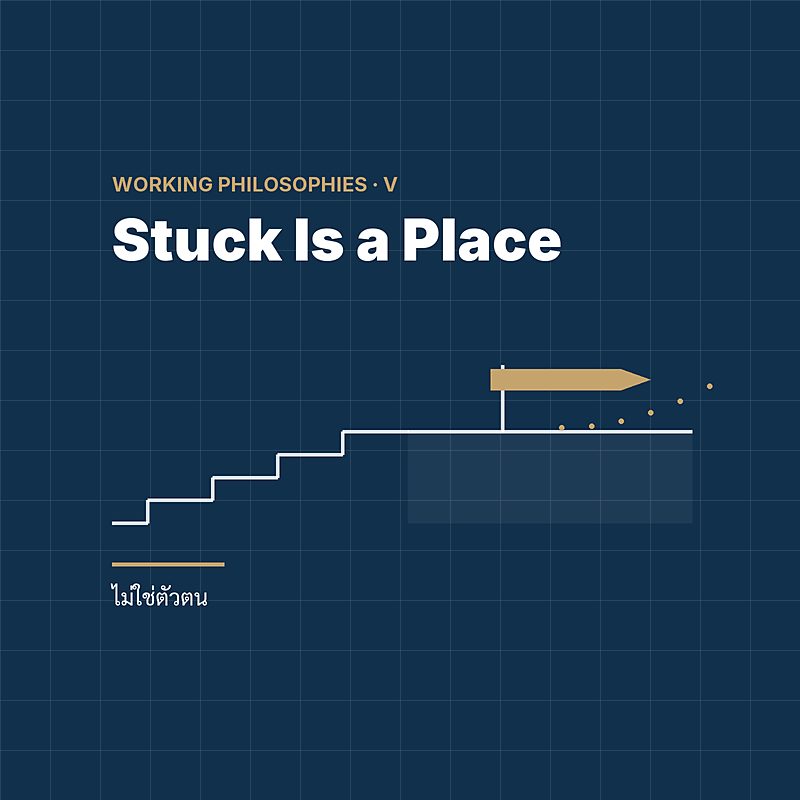
“A plateau is not a wall. It is flat ground — and flat ground is where people rest before the next climb, or where they build a house and never move again. The difference is whether you set down a bag or a foundation.”
the fifth working philosophy of the week
Wednesday is the middle of the week, and a working life has a long Wednesday of its own. Three years in the same title. The problem you solved last year is back under a new name. The junior you once trained has been promoted past you. And one word begins to surface more and more often: stuck.
I have noticed that the word slowly changes its grammar. At first it names a place — I’m stuck here for now. Then it becomes a description — my career is stuck. Finally it becomes a noun — I am a stuck person. That drift of a single word does more damage to a worker than any title that fails to move.
So Wednesday’s first essay drags the word back to being a place. Stuck is where you are standing, not what you are — and a place always has a way out.
Stuck and slow are not the same thing
Before fixing anything, make sure you really are stuck, because two things that feel identical are in fact very different.
Slow is movement at a speed you are unhappy with. You are still going forward — just not as fast as you planned, not as fast as that friend, not as fast as the internet says you should. Stuck is no movement at all, for a whole season.
There is one test, and it is brutally honest. Compare yourself with yourself twelve months ago — with nobody else. Write down what you can do today that you could not do a year ago. It has to be real and tangible: a system you can now set up alone, a kind of meeting you can now run, a language or tool you can now use, three people you can now call whom you did not know last year.
If you can write three or more, you are not stuck; you are slow, and slow is cured with patience and a better choice of direction. If you cannot write any, sit with the blank page for a moment. Feel nothing in particular. It is data, and it is data you need before deciding anything at all.
There is a third case, more common than you would think: you are growing in a direction nobody measures. The organisation measures titles. But this year you may have grown in your ability to teach people, in your calm when a system goes down, in knowing what not to do. None of that appears on a staff card. All of it appears in everything you will do from here on.
Why plateaus are real
Every learning curve has a plateau. In the first two years of any job everything is new; you grow every week because every week brings something you have never met. Then one day you are good enough. The work that was hard becomes routine, and the growth stops without anyone announcing it.
Plateaus have two causes. The first: the organisation has no problem that needs the next version of you. The seats above are full, the big project is not coming, the old system runs well enough. The second, harder to say: you stopped doing hard things — because the hard thing, once you know you are good, is to become a beginner again at something new, and nobody volunteers for that.
A plateau is normal, not a failure. Every climber knows flat ground is where you rest. The danger of a plateau is not standing on it but furnishing it — setting down comfort, then the belief that this is fine, then a little contempt for the people still climbing, until one day the bag you put down for a moment has become a house you will never move from.
To tell whether you have started furnishing, listen to yourself when you speak of someone who moved up. If the first sentence is “he was lucky” or “she plays politics well” — before any thought of what they actually did — that is the first piece of furniture.
The ninety-day experiment
Do not decide to resign from a plateau. Decisions made on flat ground are usually a run from one kind of boredom into a new kind. Experiment instead: ninety days, one thing, measurable.
A good experiment comes in one of three shapes.
- Take the problem nobody wants — every workplace has one that has sat for years because it has no owner: the old system everyone complains about, the process that wastes everyone an hour a week. Raise your hand for it. A problem like that is a ladder nobody is competing for.
- Learn one adjacent skill and use it on real work — not for a certificate, but to produce one visible piece of work with it inside ninety days. A skill used is the only skill that counts.
- Ask for one responsibility that differs from what you have — run the meeting you only used to attend, write the proposal you only used to follow, look after one new hire. Ask directly. Do not wait for someone to think of it for you.
On day one, write down what you will do and how, on day ninety, you will know the ground has changed. Then put day ninety in the calendar.
When that day comes there are two kinds of answer. If the ground has changed — new work in hand, someone who saw it, a skill you have used — you were never stuck; you had merely stopped walking. But if you tried all three shapes and every road was closed — nobody gave you time for the problem you took on, there was nowhere to use what you learned, the responsibility you asked for was not given — that is evidence of a different kind. It says this plateau is not yours; it is this place’s ceiling. And that is Friday’s business.
The boring feedback
There is one question people on a plateau rarely dare to ask, and its answer is usually so boring it disappoints.
Go to two people who really see your work — one boss, one straight-talking colleague — and ask: “What is the one thing keeping me from the next level?” Then be quiet. Do not explain. Do not defend. Write it down.
The answer is almost always dull. You deliver later than you promised, a bit too often. You do not explain your own work clearly. Hardly anyone knows what you are working on. You argue in meetings for too long. No drama, no secret enemy, no great injustice — just one small habit, three years old, that you never noticed.
We tend not to like this kind of answer, because a story with a villain sounds better than a story with a habit. But boring feedback is the only feedback that can be fixed in ninety days, and it is the best of the three experiments above, because someone is already watching to see whether you will.
One item comes up so often it deserves its own paragraph: visibility. Good work nobody sees keeps you on the plateau forever. This is not self-promotion; it is letting the work be seen — a three-line summary every Friday of what got finished this week, sent to your boss without being asked. It need not be elegant. The people who decide about titles are never in the room when you do good work. They know your work only from what you tell them.
Try this week
Write three things you can do this year that you could not do last year. If you fill all three, you are slow, not stuck. If you cannot, choose one ninety-day experiment from the three shapes, write what you will measure on day ninety, and put that date in the calendar now.
Within the week, ask two people the same question — “what is the one thing keeping me from the next level?” — and write both answers down without arguing.
This Friday evening, send a three-line summary of what you finished this week to the person who ought to know. Do it four Fridays in a row before deciding it does not work.
A question to carry
Today’s question is harder than it looks, and its value lies in how fast you can answer.
This series is the working-week half of Thoughts — it walks beside the One Day of Light essays, which walk one whole day of a life. Both are free to read.