ในบทความนี้
In this post
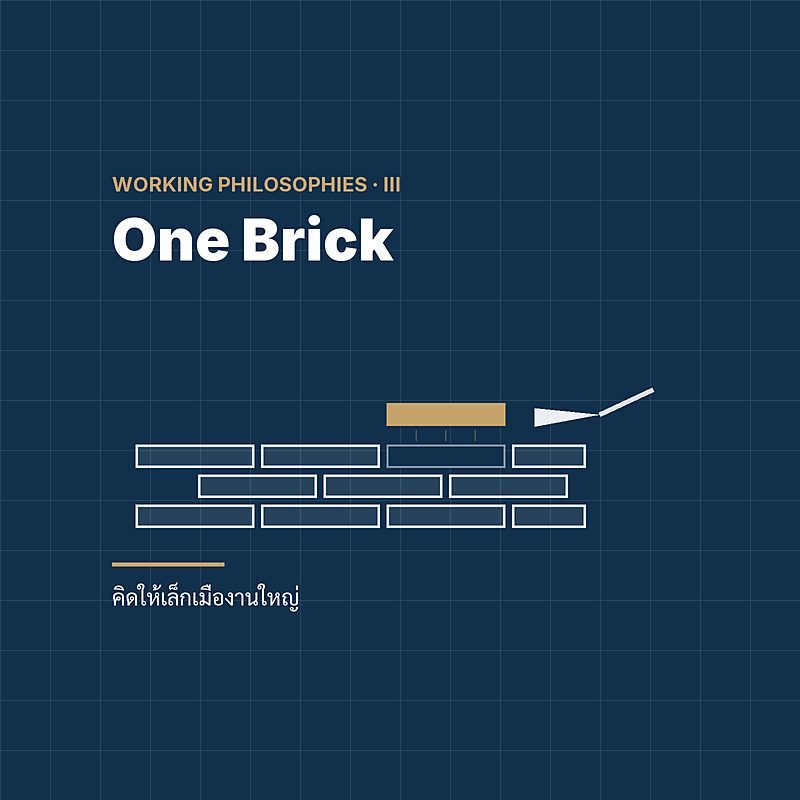
ถามช่างว่าก่อกำแพงอย่างไร เขาบอกว่าไม่ได้ก่อกำแพง เขาวางอิฐหนึ่งก้อนให้ดีที่สุดเท่าที่อิฐก้อนหนึ่งจะดีได้ แล้วก็วางอีกก้อน
คำของช่างก่ออิฐ ที่เล่าต่อกันมา
วันอังคารคือวันที่งานหนักตัวจริงมาถึง เส้นตายที่เลื่อนไม่ได้ ระบบที่ต้องย้ายให้เสร็จก่อนสิ้นเดือน รายงานสี่ร้อยหน้า ข้อมูลสามพันแถวที่ต้องตรวจทีละแถว วิทยานิพนธ์ที่เขียนมาสองปีและยังไม่มีบทสรุป
ผมสังเกตมานานว่านาทีที่คนทำงานล้มลงตรงหน้างานแบบนี้ ไม่ใช่นาทีที่ยกของหนัก แต่เป็นนาทีที่มองเห็นทั้งหมดพร้อมกัน — เห็นทุกหน้า ทุกแถว ทุกวันที่เหลือ และเห็นตัวเองตัวเล็กนิดเดียวอยู่ตรงหน้ามัน นาทีนั้นมือหยุด ไม่ใช่เพราะงานเกินแรง แต่เพราะภาพเกินสายตา
บทแรกของวันอังคารว่าด้วยวิธีคิดเมื่องานหนัก และมันมีใจความสั้นมาก — คิดให้เล็กลง จนเหลือแค่อิฐก้อนถัดไป
น้ำหนักไม่ได้ทำให้ล้ม การมองเห็นทั้งก้อนต่างหาก
สมองมนุษย์ยกกำแพงไม่ได้ มันไม่ได้ถูกสร้างมาเพื่อสิ่งนั้น สิ่งที่มันยกได้คืออิฐหนึ่งก้อน และมันยกได้ดีมากด้วย เก่งกว่าเครื่องจักรใด ๆ ถ้าเราให้มันยกทีละก้อน
ปัญหาคือกำแพงมีวิธีบุกเข้ามาในหัวเราทั้งแผง ทุกครั้งที่หยิบอิฐก้อนหนึ่งขึ้นมา มีเสียงหนึ่งถามว่า «แล้วอีกสองพันก้อนล่ะ» คำถามนั้นฟังดูรับผิดชอบ แต่มันเป็นคำถามที่ตอบไม่ได้ในขณะที่มือถืออิฐอยู่ และคำถามที่ตอบไม่ได้แต่ถูกถามซ้ำ ๆ คือสิ่งที่ทำให้มือชา
ลองสังเกตวันที่งานไปได้ดี มันไม่ใช่วันที่กำแพงเล็กลง แต่เป็นวันที่เราลืมกำแพงไปเฉย ๆ เพราะจดจ่ออยู่กับอิฐ ช่างก่ออิฐที่เก่งไม่ได้แข็งแรงกว่าคนอื่น เขาแค่มองอิฐบ่อยกว่ามองกำแพง
นี่ไม่ใช่การหลอกตัวเอง กำแพงมีจริง และเราจะกลับไปดูมันเป็นระยะ แต่ไม่ใช่ทุกห้านาที และไม่ใช่ตอนที่มือกำลังจับปูน
ลูปของงาน กับลูปของความคิด
ระหว่างทำงานหนัก ในหัวเรามีลูปสองวงวิ่งพร้อมกัน
ลูปของงานวิ่งอย่างนี้ — อะไรต่อ ทำ ตรวจ อะไรต่อ ทำ ตรวจ มันเงียบ น่าเบื่อ และเป็นวงเดียวที่ทำให้กำแพงสูงขึ้น
ลูปของความคิดวิ่งอย่างนี้ — ถ้าไม่ทันจะเป็นอย่างไร เขาจะว่าอย่างไร เราช้ากว่าที่ควรแล้วหรือเปล่า เมื่อวานน่าจะเริ่มเร็วกว่านี้ ถ้าไม่ทันจะเป็นอย่างไร มันเสียงดัง รู้สึกเร่งด่วน และไม่วางอิฐเลยสักก้อน
สองลูปนี้แย่งใช้สมองก้อนเดียวกัน และลูปของความคิดชนะเสมอถ้าปล่อยให้แข่งกันตรง ๆ เพราะมันเสียงดังกว่า วิธีเดียวที่ได้ผลไม่ใช่การสั่งให้มันเงียบ — ยิ่งสั่งยิ่งดัง — แต่คือการทำให้มันอดอยาก ลูปของความคิดกินความคลุมเครือเป็นอาหาร มันวิ่งได้เพราะ «งานทั้งหมด» ไม่มีขอบ พอเราหยิบอิฐก้อนเดียวขึ้นมาแล้วบอกว่า «ยี่สิบห้านาทีนี้ทำแค่นี้» ความคลุมเครือหายไปครึ่งหนึ่ง และลูปเสียงดังก็เบาลงครึ่งหนึ่งตามไปด้วย
บทถัดไปของวันนี้จะว่าด้วยลูปเสียงดังนี้โดยเฉพาะ เพราะมันไม่ได้มาแค่ตอนทำงาน มันตามกลับบ้านและมาปลุกตอนตีสามด้วย แต่ในเวลางาน กฎมีข้อเดียว ทุกครั้งที่ได้ยินมัน ให้ถามสั้น ๆ ว่า «นี่คืองาน หรือคือความคิด» ถ้าเป็นงาน ใส่ลงรายการ ถ้าเป็นความคิด หยิบอิฐ
อิฐก้อนถัดไป ไม่ใช่กำแพงทั้งหมด
วิธีทำเป็นขั้นตอนธรรมดามาก และมันได้ผลเพราะมันธรรมดา
เขียนกำแพงทั้งหมดลงกระดาษหนึ่งครั้ง ทุกส่วน ทุกขั้น ให้หมดจากหัว แล้วพับเก็บ นี่คือขั้นที่คนมักข้าม — เขาเขียนแล้ววางไว้ตรงหน้า และมองมันทุกห้านาที กำแพงบนกระดาษมีไว้เพื่อให้หัวไม่ต้องแบก ไม่ใช่เพื่อให้ตาต้องจ้อง
จากนั้นเลือกอิฐก้อนถัดไป อิฐที่ดีมีคุณสมบัติสองข้อ ทำเสร็จได้ในยี่สิบห้านาที และรู้ชัดว่า «เสร็จ» หน้าตาเป็นอย่างไร «เขียนบทที่สาม» ไม่ใช่อิฐ «เขียนย่อหน้าเปิดของบทที่สามให้จบหนึ่งย่อหน้า» คืออิฐ ตั้งเวลา วาง ตรวจ แล้วหยิบก้อนถัดไป
อิฐมีอยู่สามชนิด และแต่ละชนิดยากคนละแบบ
- ก้อนแรกที่น่าเกลียด — อิฐก้อนแรกของงานทุกชิ้นวางไม่สวยเสมอ ให้วางไปเถอะ กำแพงไม่ได้ถูกตัดสินที่ก้อนแรก แต่ไม่มีกำแพงไหนเริ่มได้โดยไม่มีก้อนแรก
- ก้อนกลางที่น่าเบื่อ — อิฐหลายร้อยก้อนที่เหมือนกันหมด ตรงนี้ไม่ต้องการแรงบันดาลใจ ต้องการแค่ยี่สิบห้านาทีที่ซ้ำได้ และการยอมรับว่างานส่วนใหญ่ของคนทำงานคือก้อนกลาง
- ก้อนสุดท้ายที่ไม่ยอมจบ — การจบเป็นทักษะแยกต่างหากจากการทำ กำแพงที่เสร็จเก้าสิบเปอร์เซ็นต์คือกำแพงที่ยังไม่มี ก้อนสุดท้ายจึงต้องถูกวางด้วยความตั้งใจเท่ากับก้อนแรก
และมีกฎที่ช่างทุกคนรู้ — อิฐแต่ละก้อนต้องวางให้ดี เพราะอิฐที่วางเบี้ยวหนึ่งก้อนจะต้องรื้อสองก้อนในวันหลัง การคิดให้เล็กไม่ได้แปลว่าทำให้หยาบ มันแปลว่าเอาความประณีตทั้งหมดที่มี มาใส่ในสิ่งเดียวที่มืออยู่ในขณะนี้
รายการที่ทำเสร็จแล้ว
รายการสิ่งที่ต้องทำมีนิสัยอย่างหนึ่ง คือมันยาวขึ้นทุกวันไม่ว่าเราจะทำงานหนักแค่ไหน เพราะทุกอิฐที่วางเปิดเผยอิฐอีกสองก้อนที่ยังไม่เห็น มองรายการนั้นตอนเย็นแล้วรู้สึกเหมือนไม่ได้ทำอะไรเลย ทั้งที่ทำมาทั้งวัน
ดังนั้นให้มีสมุดอีกเล่ม หรือครึ่งหน้าหลังของเล่มเดิม เขียนหัวว่าเสร็จแล้ว ทุกอิฐที่วาง ขีดหนึ่งบรรทัด สั้น ๆ «ย่อหน้าเปิดบทสาม» «ตรวจแถว 1–300» «ส่งอีเมลถามเรื่องงบ» ไม่มีอะไรเล็กเกินไปสำหรับรายการนี้
ตอนเย็นของวันที่หนักที่สุด รายการที่ต้องทำจะบอกว่าเรายังไม่พอ รายการที่เสร็จแล้วจะบอกความจริงอีกด้าน คือวันนี้กำแพงสูงขึ้นเจ็ดก้อน และเจ็ดก้อนนั้นจะไม่ต้องวางอีก ขวัญกำลังใจ — เรื่องของวันพุธในซีรีส์นี้ — กินสิ่งนี้เป็นอาหาร มันไม่ได้กินคำปลอบใจ มันกินอิฐที่มองเห็นได้
อีกอย่างหนึ่งที่ช่วยได้เกินคาด คือให้มีคนหนึ่งคนที่มองเห็นกำแพงของเรา ไม่ต้องช่วยวาง แค่รู้ว่าเราวางอยู่ กำแพงที่มีคนเห็นสองคน หนักครึ่งเดียวของกำแพงที่แบกอยู่คนเดียว ผมไม่รู้ว่าทำไม แต่มันเป็นอย่างนั้นทุกครั้ง
ข้อปฏิบัติพรุ่งนี้เช้า
ก่อนเปิดอีเมล เขียนกำแพงลงกระดาษหนึ่งประโยค แล้วพลิกคว่ำ เขียนอิฐก้อนถัดไปหนึ่งบรรทัด ต้องเสร็จได้ในยี่สิบห้านาที และต้องรู้ว่าเสร็จหน้าตาเป็นอย่างไร
ตั้งเวลา วาง ขีดลงรายการ «เสร็จแล้ว» แล้วหยิบก้อนถัดไป ทำให้ได้สามก้อนก่อนเที่ยง ห้ามพลิกกระดาษกลับมาดูกำแพงจนกว่าจะครบสาม
ตอนเย็น อ่านรายการเสร็จแล้วออกเสียงหนึ่งรอบ ให้ใครสักคนฟังก็ได้ ถ้ามี
คำถามติดตัว
คำถามวันนี้ให้ถามตอนที่มือเริ่มชา
ซีรีส์นี้เป็นภาคสัปดาห์ทำงานของ Thoughts — เดินคู่กับซีรีส์ «แสงของวันหนึ่ง» ที่เดินครบหนึ่งวันของชีวิต อ่านฟรีทั้งสองชุด
“Ask a bricklayer how he builds a wall and he will tell you he doesn’t. He lays one brick as well as a brick can be laid, and then he lays another.”
a bricklayer’s saying, passed down
Tuesday is the day the heavy work actually arrives. The deadline that will not move. The system that has to be migrated before month-end. The four-hundred-page report. Three thousand rows of data to be checked one by one. The thesis two years in the writing that still has no conclusion.
I have noticed for a long time that the moment a working person collapses in front of work like this is not the moment of lifting something heavy. It is the moment of seeing all of it at once — every page, every row, every remaining day, and themselves standing very small in front of it. In that moment the hands stop. Not because the work exceeds their strength, but because the picture exceeds their sight.
Tuesday’s first essay is about how to think when the work is heavy, and its whole argument is short: think smaller, until all that is left is the next brick.
It is not the weight — it is seeing the whole thing at once
The human mind cannot lift a wall. It was not built for that. What it can lift is one brick, and it lifts one brick superbly — better than any machine — if we let it lift them one at a time.
The trouble is that a wall has a way of invading the head all at once. Every time you pick up one brick, a voice asks, and the other two thousand? The question sounds responsible. But it cannot be answered while your hand is holding a brick, and an unanswerable question asked over and over is precisely what makes the hands go numb.
Look at the days when the work goes well. They are not the days the wall got smaller. They are the days you simply forgot the wall, because you were absorbed in the brick. The best bricklayer is not stronger than the others; he just looks at the brick more often than he looks at the wall.
This is not self-deception. The wall is real, and you will go back and look at it from time to time. Just not every five minutes, and not while your hands are in the mortar.
The task loop and the thought loop
During heavy work, two loops run in the head at the same time.
The task loop goes like this: what next — do it — check it — what next — do it — check it. It is quiet, dull, and the only loop that ever makes the wall taller.
The thought loop goes like this: what if I miss the deadline — what will they say — am I already behind — I should have started yesterday — what if I miss the deadline. It is loud, feels urgent, and lays no brick at all.
The two loops compete for the same brain, and the thought loop wins every straight fight because it is louder. The only thing that works is not ordering it to be quiet — the more you order, the louder it gets — but starving it. The thought loop feeds on ambiguity. It runs because “all the work” has no edges. The moment you pick up one brick and say “for the next twenty-five minutes, only this,” half the ambiguity is gone, and the loud loop drops by half with it.
Today’s second essay is about that loud loop in particular, because it does not only show up at work; it follows you home and wakes you at three in the morning. But during working hours the rule has one line. Every time you hear it, ask briefly: is this a task, or a thought? If it is a task, put it on the list. If it is a thought, pick up the brick.
The next brick, not the wall
The method is very ordinary, and it works because it is ordinary.
Write the whole wall down on paper once — every part, every step — until it is out of your head. Then fold it away. This is the step people skip: they write it and leave it in front of them, and look at it every five minutes. The wall on paper exists so the head does not have to carry it, not so the eyes have to stare at it.
Then choose the next brick. A good brick has two properties: it can be finished in twenty-five minutes, and you know exactly what “finished” looks like. “Write chapter three” is not a brick. “Write the opening paragraph of chapter three, one complete paragraph” is a brick. Set a timer. Lay it. Check it. Pick up the next.
There are three kinds of brick, and each is hard in its own way.
- The ugly first brick — the first brick of any piece of work is always laid badly. Lay it anyway. No wall is judged by its first brick, but no wall begins without one.
- The boring middle bricks — hundreds of bricks that all look the same. This part needs no inspiration, only a twenty-five-minute stretch that can be repeated, and the acceptance that most of a working life is the middle.
- The last brick that will not finish — finishing is a separate skill from doing. A wall that is ninety per cent done is a wall that does not yet exist, so the last brick has to be laid with the same care as the first.
And one rule every bricklayer knows: each brick must be laid well, because one crooked brick means two to tear out later. Thinking small does not mean working rough. It means bringing all the care you have to the one thing in your hands right now.
The done list
A to-do list has a habit: it grows every day no matter how hard you work, because every brick you lay reveals two more you had not seen. Look at it in the evening and it feels as though you did nothing, after a whole day of doing.
So keep a second notebook, or the back half of the first page, and head it Done. Every brick laid gets one short line: “opening paragraph, ch. 3”, “rows 1–300 checked”, “sent the budget question”. Nothing is too small for this list.
On the evening of the heaviest day, the to-do list will tell you that you are still not enough. The done list tells the other half of the truth: the wall is seven bricks taller today, and those seven will never need laying again. Morale — Wednesday’s subject in this series — feeds on this. It does not feed on reassurance. It feeds on bricks you can see.
One more thing helps more than it should: let one person see your wall. Not help lay it — just know you are laying it. A wall seen by two people weighs half of a wall carried alone. I do not know why, but it is true every time.
Try this tomorrow morning
Before opening email, write the wall on paper in one sentence and turn the page face down. Write the next brick on one line: finishable in twenty-five minutes, with a clear picture of what finished looks like.
Set the timer. Lay it. Add it to the Done list. Pick up the next. Get three bricks laid before noon, and do not turn the page back over to look at the wall until all three are down.
In the evening, read the done list aloud once — to someone, if there is someone.
A question to carry
Today’s question is for the moment the hands start to go numb.
This series is the working-week half of Thoughts — it walks beside the One Day of Light essays, which walk one whole day of a life. Both are free to read.