ในบทความนี้
In this post
ประตูที่เปิดจากข้างในต่างจากประตูที่ถูกผลักออกไป — บานแรกเป็นการตัดสินใจ บานหลังเป็นอุบัติเหตุ และคนที่ยืนอยู่ตรงธรณีประตูมักเลือกได้ว่าจะเป็นบานไหน
หลักคิดข้อที่เก้าของสัปดาห์ทำงาน
เช้าวันศุกร์ คำถามที่บทแรกของสัปดาห์ขอให้เลื่อนออกไปมาถึงแล้ว — จะอยู่ต่อ หรือจะไป และคราวนี้เรามาถึงคำถามนี้พร้อมของในมือมากกว่าเช้าวันจันทร์มาก สมุดสามช่องที่มีขีดครบสัปดาห์ การแยกฝนออกจากหลังคารั่ว ผลของการทดลองเก้าสิบวันถ้าเคยทำ และบันทึกสองช่องกับสามรอบของการสู้อย่างเป็นธรรม
เครื่องมือของทั้งสัปดาห์มาบรรจบกันตรงนี้ เพราะการออกจากที่แย่ไม่ควรเป็นการหนี — การหนีเกิดขึ้นในวันแย่ ด้วยอารมณ์ของวันเดียว และมักพาไปที่แย่แบบใหม่ การออกที่ดีคือการตัดสินใจ ทำในวันดี ด้วยหลักฐานของทั้งฤดู และเตรียมไว้ก่อนตั้งแต่ยังไม่ต้องใช้
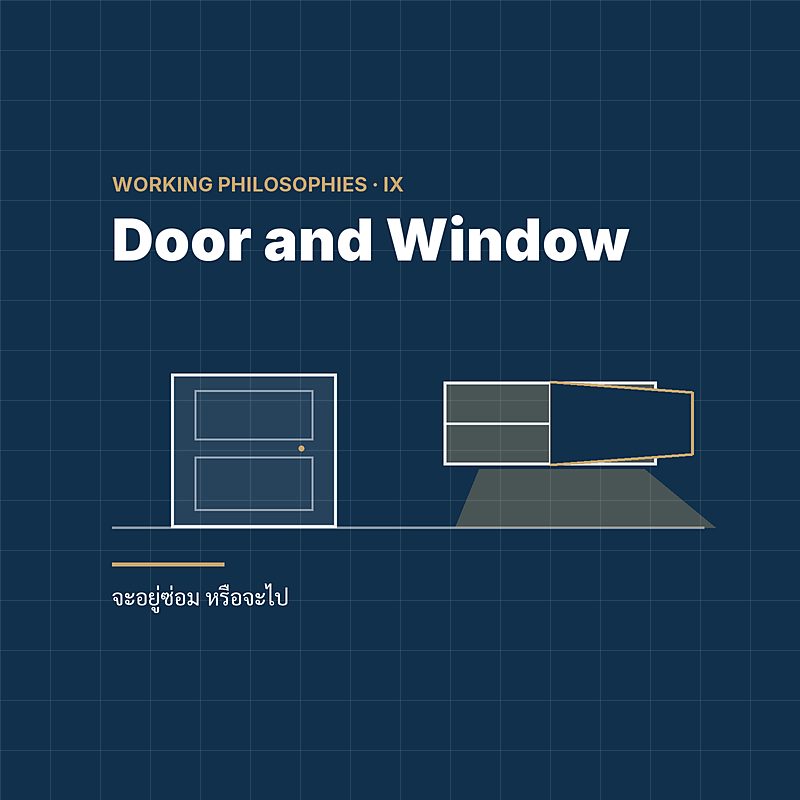
บทนี้ว่าด้วยสองบาน ประตูกับหน้าต่าง และลำดับที่ควรลองเปิด
สัญญาณที่บอกว่าถึงเวลา — และสัญญาณที่บอกว่ายัง
จากที่เห็นมา สัญญาณที่เชื่อถือได้ว่าถึงเวลาเดินออกทางประตู มีอยู่ไม่กี่อย่าง และไม่มีอย่างไหนเป็นความรู้สึกล้วน ๆ
- ขีดในสมุดสามช่องตกในช่องเดิมมาเป็นปี — ไม่ใช่วันแย่ ไม่ใช่ฤดูแย่ แต่เป็นแบบแผนที่ไม่มีวันจบและเกิดซ้ำทุกไตรมาส
- การทดลองเก้าสิบวันเจอเพดาน ไม่ใช่ที่ราบ — ลองครบสามแบบแล้ว ทุกทางถูกปิดโดยที่นี่ ไม่ใช่โดยเรา
- เส้นสามเส้นถูกขอให้ขยับเป็นประจำ — ไม่ใช่ครั้งเดียว แต่เป็นวัฒนธรรม และคนที่ปฏิเสธคือคนที่ถูกกันออก
เพิ่มอีกข้อที่ไม่ค่อยมีใครพูด คือคนที่เราอยากเป็นในอีกห้าปีกำลังทยอยออก มองไปรอบตัว ถ้าคนที่เก่ง ตรง และใจดี ลาออกไปทีละคน และคนที่อยู่ต่อคือคนที่เลิกหวังหรือเลิกแคร์ ที่นี่กำลังบอกอนาคตของเราให้ฟังตรง ๆ
และต้องพูดสัญญาณอีกด้านให้ครบ เพราะประตูถูกเปิดผิดจังหวะบ่อยพอกัน ฤดูแย่ที่มีวันสิ้นสุดชัดเจน ไม่ใช่เหตุผลให้ไป คนหนึ่งคนที่ทำให้ทุกอย่างแย่ อาจแก้ได้ด้วยการย้ายหนึ่งโต๊ะ ไม่ใช่ย้ายทั้งบริษัท และถ้าขีดส่วนใหญ่อยู่ในช่องที่สาม — ตัวเรา นอนไม่พอ เหนื่อยสะสม เรื่องที่บ้าน — การลาออกจะพาความเหนื่อยนั้นไปที่ใหม่ทั้งชุด ซ่อมช่องที่สามก่อน แล้วค่อยมองประตูอีกครั้งด้วยตาที่นอนแล้ว
หน้าต่าง — อยู่ซ่อม
ก่อนจะถึงประตู มีหน้าต่าง และคนจำนวนมากเดินออกประตูจากบริษัทที่ตัวเองยังกลับเข้ามาทางหน้าต่างได้
หน้าต่างคือการเปลี่ยนงานโดยไม่เปลี่ยนที่ ย้ายทีม ย้ายบทบาท ขอโครงการใหม่ ขอหัวหน้าใหม่ผ่านการโอนย้ายภายใน ลดวันทำงานลงชั่วคราว องค์กรใหญ่แทบทุกแห่งมีหน้าต่างแบบนี้ และองค์กรเล็กก็มักมีมากกว่าที่คิด แค่ไม่มีใครเดินไปขอ
ข้อดีของหน้าต่างคือมันถูกกว่าประตูมาก เราเก็บทุนที่สะสมไว้ทั้งหมด คนที่รู้จักงานเรา ประวัติ ความไว้ใจ สิทธิ์ต่าง ๆ และมันตอบคำถามสำคัญได้ฟรี ๆ คือ ที่แย่นั้นแย่ทั้งตึกหรือแย่แค่ชั้นนี้ หลายคนพบว่าแค่เปลี่ยนชั้น ทุกช่องในสมุดเปลี่ยนสี
วิธีขอหน้าต่างคือขอตรง ๆ กับคนที่เปิดได้ พร้อมบันทึกจากวันพฤหัส — ข้อเท็จจริงและข้อขอ — และให้เวลามันเหมือนการทดลองเก้าสิบวัน ถ้าหน้าต่างเปิด ดีมาก ถ้าทุกหน้าต่างถูกตอกตะปูปิด นั่นก็เป็นคำตอบ และเป็นคำตอบที่ทำให้เดินออกประตูได้โดยไม่ต้องสงสัยอีกเลยว่าพยายามพอหรือยัง
รันเวย์สามเส้น และบัญชีทางออก
เครื่องบินไม่ได้ขึ้นจากที่ที่มันจอด มันต้องการรันเวย์ และรันเวย์ต้องสร้างไว้ก่อนวันบิน คนทำงานมีรันเวย์สามเส้น ซึ่งคือร่มสามคันของบทวันจันทร์ในอีกบทบาทหนึ่ง
เงิน — สามถึงหกเดือนของค่าใช้จ่าย ไม่ใช่เพื่อความหรูหรา แต่เพื่อให้การตัดสินใจไม่ถูกทำโดยบัญชีธนาคารแทนเรา คนที่มีรันเวย์เส้นนี้ปฏิเสธข้อเสนอที่ไม่ดีได้ และรับข้อเสนอที่ดีได้โดยไม่ต้องรีบ ทักษะ — อย่างน้อยหนึ่งอย่างที่พิสูจน์ได้นอกตึกนี้ งานที่ชี้ให้ดูได้ ไม่ใช่ตำแหน่งที่พิมพ์ได้ ผู้คน — ไม่ใช่การเริ่มทักคนแปลกหน้าในสัปดาห์ที่ลาออก แต่คือความสัมพันธ์ที่เราเลี้ยงไว้ตลอดปีที่ผ่านมาโดยไม่ได้หวังอะไร คนเหล่านี้คือคนที่รู้ก่อนว่ามีที่ไหนเปิดรับ
แล้วเปิดสมุดอีกหน้า เขียนหัวว่าบัญชีทางออก สี่บรรทัด สิ่งที่จะเสียถ้าไป สิ่งที่จะได้ สิ่งที่มันต้องแลก และวันที่ที่จะตัดสินใจ — วันที่จริง ๆ ไม่ใช่ «สักวัน» บัญชีนี้เขียนแม้ในวันที่คิดว่าจะอยู่ เพราะคนที่มีบัญชีทางออกอยู่ในมือทำงานอย่างสงบกว่าคนที่ไม่มีเสมอ เขารู้ว่าประตูมีจริง เขาจึงไม่ต้องจ้องมันทั้งวัน
และกฎที่สำคัญที่สุด — ตัดสินใจในวันดี ไม่ใช่หลังประชุมที่แย่ที่สุด ไม่ใช่ตอนสี่ทุ่ม ไม่ใช่วันจันทร์ ลาออกในวันอังคารธรรมดา ๆ ที่นอนมาพอ ด้วยบัญชีที่เขียนไว้เมื่อสามสัปดาห์ก่อน
จากไปโดยไม่เผาสะพาน
วิธีจากไปถูกจดจำมากกว่าวิธีมาถึง และโลกของงานเล็กกว่าที่คิดมาก อีกห้าปีคนที่นั่งโต๊ะข้าง ๆ วันนี้อาจเป็นคนสัมภาษณ์เรา หรือลูกค้าเรา หรือคนที่ถูกถามว่าเราเป็นคนอย่างไร
ดังนั้น แจ้งล่วงหน้าตามที่ตกลง ทำการส่งมอบให้เป็นงานชิ้นสุดท้ายที่ดีที่สุด เอกสารที่คนต่อไปอ่านแล้วทำงานได้ในวันแรก รายชื่อว่าใครต้องรู้อะไร ปัญหาที่ยังค้างพร้อมสิ่งที่ลองไปแล้ว งานส่งมอบที่ดีคือชื่อเสียงที่จะเดินนำหน้าเราไปที่ใหม่
ในบทสนทนาก่อนออก พูดความจริงแบบวันพฤหัส — ข้อเท็จจริงและข้อขอ — เพื่อคนที่ยังอยู่ ไม่ใช่เพื่อระบายให้ตัวเองโล่ง ความจริงที่พูดเพื่อทำร้ายคนที่เหลืออยู่จะกลับมาหาเราในรูปที่คาดไม่ถึงเสมอ และขอบคุณคนที่สอนเรา ด้วยชื่อจริง ทีละคน แม้ในที่ที่แย่ก็มีคนที่จุดอะไรไว้ในตัวเรา — บทแรกของซีรีส์ «แสงของวันหนึ่ง» พูดเรื่องนี้ไว้ดีกว่าที่ผมจะพูดได้
เดินออกทางประตูอย่างนี้ ประตูจะไม่ปิดตามหลัง มันจะกลายเป็นหน้าต่างอีกบานหนึ่งในอนาคตที่ยังไม่รู้ว่าจะต้องใช้เมื่อไร
ข้อปฏิบัติสุดสัปดาห์นี้
เขียนบัญชีทางออก แม้จะตั้งใจอยู่ต่อ สี่บรรทัด เสียอะไร ได้อะไร แลกด้วยอะไร ตัดสินใจวันไหน ใต้นั้นเขียนรันเวย์สามเส้นเป็นตัวเลข เงินกี่เดือน ทักษะอะไรที่ชี้ให้ดูได้ คนกี่คนที่โทรหาได้จริง
เขียนหน้าต่างหนึ่งบานที่จะเดินไปขอภายในเดือนนี้ ทีม บทบาท โครงการ หรือหัวหน้า พร้อมชื่อคนที่เปิดมันได้
แล้วปิดสมุด และไปใช้เย็นวันศุกร์กับบทสุดท้ายของสัปดาห์ ซึ่งว่าด้วยสิ่งที่จะพกกลับบ้านไม่ว่าจะตัดสินใจอย่างไร
คำถามติดตัว
คำถามวันนี้ตอบแล้วจะรู้มากกว่าที่คิดว่าจะรู้
ซีรีส์นี้เป็นภาคสัปดาห์ทำงานของ Thoughts — เดินคู่กับซีรีส์ «แสงของวันหนึ่ง» ที่เดินครบหนึ่งวันของชีวิต อ่านฟรีทั้งสองชุด
“A door opened from the inside is not the same as a door you are pushed through. The first is a decision; the second is an accident — and the person standing on the threshold can usually choose which it will be.”
the ninth working philosophy of the week
Friday morning, and the question the first essay asked you to postpone has arrived: stay, or go. This time you meet it with far more in hand than on Monday morning — a three-column notebook with a week of tally marks, the difference between rain and a leaking roof, the result of a ninety-day experiment if you ran one, and the two-column memo with its three rounds of fair fighting.
The whole week’s tools converge here, because leaving a bad place should never be an escape. Escapes happen on bad days, on the mood of a single day, and usually lead to a new kind of bad place. A good leaving is a decision — made on a good day, on the evidence of a whole season, and prepared long before it is needed.
This essay is about two openings, the door and the window, and the order in which to try them.
The signals that say it is time — and the ones that say not yet
From what I have seen, the reliable signals that it is time to walk out through the door are few, and none of them is a feeling alone.
- The tally marks have landed in the same column for a year — not a bad day, not a bad season, but a pattern with no end that repeats every quarter.
- The ninety-day experiment found a ceiling, not a plateau — you tried all three shapes, and every road was closed by this place, not by you.
- Your three lines are asked to move regularly — not once, but as a culture, and the people who refuse are the ones pushed aside.
Add one that is rarely said: the people you would want to be in five years are leaving. Look around. If the capable, the straight and the kind are resigning one by one, and those who stay are those who stopped hoping or stopped caring, this place is telling you your future in plain words.
The other side has to be said too, because doors are opened at the wrong moment just as often. A bad season with a clear end date is no reason to go. One person who makes everything bad may be fixed by moving one desk, not one company. And if most of the marks sit in the third column — you: too little sleep, accumulated exhaustion, trouble at home — resigning will carry that whole exhaustion to the new place intact. Mend the third column first, then look at the door again with rested eyes.
The window — stay and mend
Before the door there is a window, and a great many people walk out of the door of a company they could still have come back into through a window.
The window is changing the job without changing the place: a new team, a new role, a new project, a new boss by internal transfer, a temporary reduction in days. Almost every large organisation has windows like these, and small ones usually have more than you think — nobody has walked up and asked.
The advantage of a window is that it costs far less than a door. You keep everything you have built: the people who know your work, your history, the trust, your entitlements. And it answers an important question for free: is this place bad across the whole building, or only on this floor? Many people find that a change of floor changes the colour of every column in the notebook.
To ask for a window, ask directly, of the person who can open it, with Thursday’s memo in hand — facts and asks — and give it the time of a ninety-day experiment. If the window opens, good. If every window has been nailed shut, that too is an answer, and it is the answer that lets you walk out through the door without ever again wondering whether you tried hard enough.
Three runways and the exit ledger
An aeroplane does not take off from where it is parked. It needs a runway, and a runway has to be built before the day of the flight. A working person has three runways — Monday’s three umbrellas in another role.
Money — three to six months of living costs, not for luxury but so that the decision is not made by your bank account on your behalf. Someone with this runway can refuse a bad offer and accept a good one without hurrying. Skill — at least one thing provable outside this building: work you can point to, not a title you can print. People — not messages to strangers in the week you resign, but the relationships you kept warm all year without wanting anything. These are the people who hear first where a door is open.
Then open the notebook to a new page and head it the exit ledger. Four lines: what you would lose by going, what you would gain, what it would cost, and the date on which you will decide — a real date, not “some day”. Write this ledger even on the days you intend to stay, because the person with an exit ledger in hand always works more calmly than the one without. They know the door is real, so they do not have to stare at it all day.
And the most important rule: decide on a good day. Not after the worst meeting, not at ten at night, not on a Monday. Resign on an ordinary Tuesday, well slept, on a ledger written three weeks earlier.
Leaving without burning the bridge
How you leave is remembered far longer than how you arrived, and the world of work is much smaller than it looks. In five years the person at the next desk today may be interviewing you, or buying from you, or being asked what you are like.
So give the notice that was agreed. Make the handover your last and best piece of work: a document the next person can read and be working from on day one, a list of who needs to know what, the open problems with what has already been tried. A good handover is the reputation that walks ahead of you into the next place.
In the leaving conversation, tell the truth Thursday’s way — facts and asks — for the sake of the people who stay, not to relieve yourself. A truth told to wound those left behind always comes back to you in a shape you did not expect. And thank the people who taught you, by name, one at a time. Even in a bad place, someone lit something in you — the first essay of the One Day of Light series says this better than I can.
Leave through the door like this and the door does not close behind you. It becomes another window, in a future you do not yet know you will need.
Try this weekend
Write the exit ledger, even if you intend to stay. Four lines: what you would lose, what you would gain, what it would cost, when you will decide. Beneath it, the three runways as numbers — how many months of money, which skill you can point to, how many people you could genuinely call.
Write down one window you will go and ask for this month — a team, a role, a project or a boss — with the name of the person who can open it.
Then close the notebook and spend Friday evening with the last essay of the week, which is about what you carry home whatever you decide.
A question to carry
Answer today’s question and you will learn more than you expected to.
This series is the working-week half of Thoughts — it walks beside the One Day of Light essays, which walk one whole day of a life. Both are free to read.